
Introduction:
The semester project was to take an existing failing development and prepare a design proposal for the property. Our team was tasked with Bloomfield Park, an abandoned, partially constructed multi-use development that abrubtly ceased construction due to the economic downturn in 2008. The team was to analyze the site and prepare an analytical graphic and written presentation to support our design proposal. The site analysis encompased the existing conditions, municipal regulations, regional demographics, and the development needs of the region. Our design proposal utilized the existing buildings whose structure was not compromised along with new construction. The team had to analyze the feasibility of the proposal by developing a pro forma that illustrated the potenial development cost and length of return. The final project submission included a presentation as well a comprohensive essay.
Objectives:
Create a 100% location
Achieve the highest and best use of land
Use architecture as a catylst for growth
Serve the needs of the exsting community
Team Members:
Amanda Kight
Teffera Kowalske
Kirsten Lyons
Mai Zhang
Site Location

Figure Ground
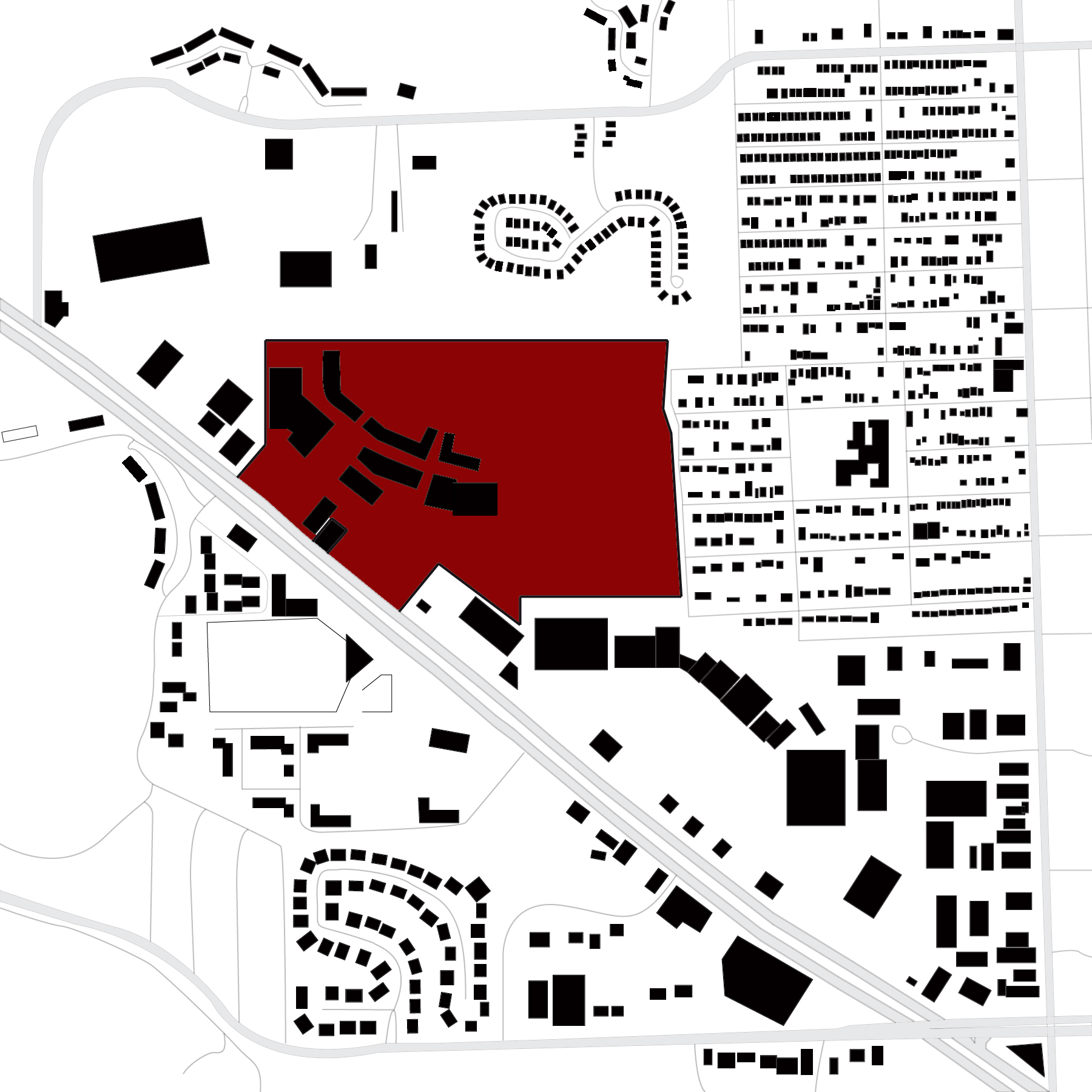
Site Data:
Acreage
Pontiac- 74.91 acres
Bloomfield Twp.- 5.82 acres
Existing Zoning
Bloomfield Twp- Pontiac 425 Agreement Area
Research Park
General Business
Existing Land Use
Commercial
SEV Value $11,900,000
Population Demographics

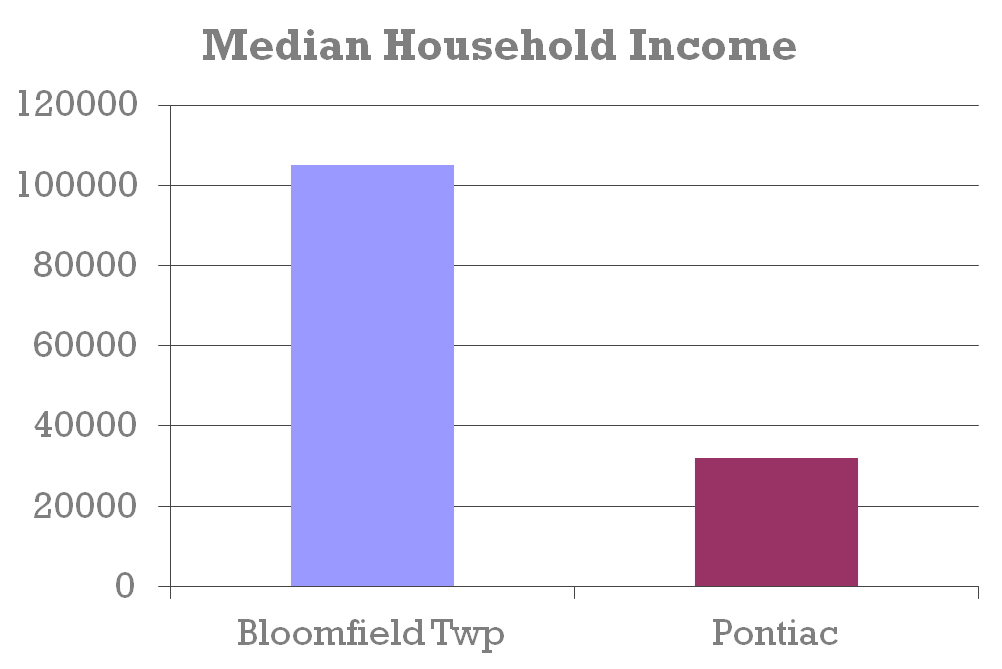
Income Demographics
Age Demographics


Percieved Needs of Region
Land Use Typology Gap
Restaurants
Grocery & Food Stores
Bars & Cocktail Lounges
Amusement
Hospitals & Medical Centers
Bloomfield Twp. Market Gap
Financial, Insurance, and Real Estate Services
Health Services
Legal Services
Retail Trade
Restaurants
Specialized Grocery Stores
Professional, Scientific and Technical Services
Best Use of Land:
Entertainment/ Recreation
Imax Theater/ Movie Theater
Restaurants/ Bars
Wine/ Cigar Lounge
Comedy Club
Bowling Alley
Miniature Golf
Rock Wall
Laser Tag
Retail
Specialty/Boutique Retail
Fresh Market
Major Bookstore
Residential
Luxury Senior Apartments
Lofts over Retail
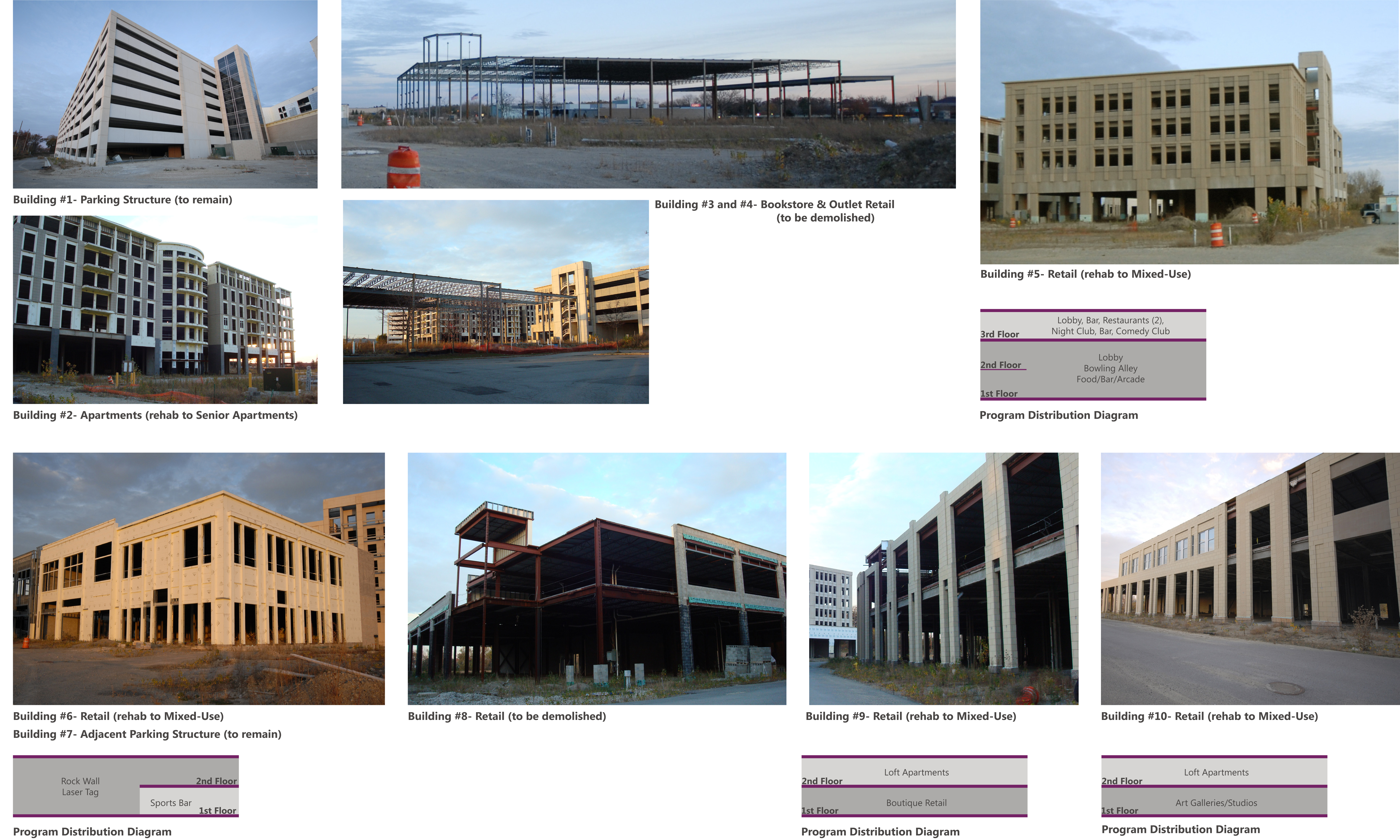
Development of Existing Buildings
Pro Forma

Bloomfield Entertainment District

Conclusion:
If all of the demolition and construction were to be done immediately, costs for both are estimated at $91 million. State equalized values, considered to be the same as market value for this pro forma analysis, for all of the parcels making up the property total nearly $12 million. This brings the total projected cost for the project to $113 million with a return on investment of just over $8 million per year for over 14 years. A scenario of phasing to bring in revenue sooner might be considered with the retail frontage, movie theaters, and housing completed first. This would be followed by the other entertainment, dining, and retail venues. Even with the aggressive building and renovating planned for the site there is still plenty of room for expansion and future uses. These could easily include more of the same plus hospitality, a corporate campus, or a medical campus.
By any standards, the development of Bloomfield Park would be a long-term investment, and its success would be measured in more than just dollars. Invigorating a struggling community while enhancing a thriving one could become a unique opportunity to model a new spirit of urban re-development. The financial, social, and economic challenges of this site must be met with strength and vision. Profits would not come easily or quickly but could be achieved in time.Howeverr, this team was ready to accept these challenges and move forwardon re-writing Bloomfield Park’s future.
Back to Land Economics
Home
 Amanda Kight